On Demand
Best Microsoft Azure Cloud Training & Certification In Pune
Azure Cloud Certification Training: AZ-900, AZ-104, AZ-305 – Learn, Train, and Get Certified
Students Enrolled
0
+
Ratings for this course
What you'll learn?
- Acquire skills in developing
- Explore IaaS architecture, services, and portals.
- Azure development environment and optimize Windows Server workloads on Azure.
- Administering and Architecting Microsoft Azure.
- Gain in-depth understanding of Azure platform features
Description
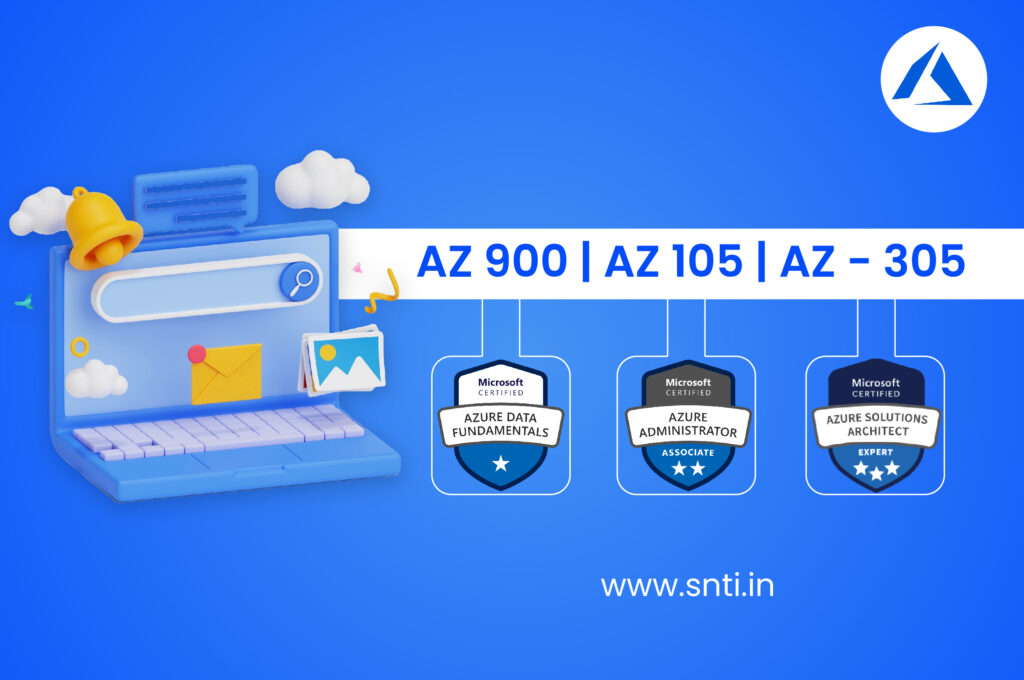
Accelerate Your Career with the Best Microsoft Azure Training in Pune with Placement! Gain in-demand skills and certifications with our comprehensive Azure cloud computing training, tailored for beginners and professionals. Whether you prefer affordable online Azure training with certification or classroom programs, we offer flexible learning options to ensure hands-on expertise in Azure Infrastructure Management, Azure Virtual Machines, Networking, and Security. Master Microsoft Azure Cloud Computing through real-world projects, interactive labs, and expert-led sessions. Dive deep into Azure Resource Management, Storage Solutions, and prepare for industry-recognized certifications, including Azure Fundamentals AZ-900, Azure Administrator AZ-104, Azure Architect AZ-305, and more.Our program delivers practical Azure training for beginners and advanced learners, covering essential topics like Azure Cloud Solutions, Azure Technologies, and Virtual Machine Management. With a focus on blended learning and community engagement, you’ll develop the skills needed to design, build, and manage scalable and secure cloud solutions using Microsoft Azure. Enroll now and unlock your potential with Azure Certification Training – the first step to becoming a cloud computing expert!
Ideal Candidates for This Course:
- Systems Administrator
- IT operations professionals
- IT developers
- IT Architects
Curriculum
Total Hours
0
Hours
AZ-900 : Microsoft Azure Fundamentals
Module 1: Understanding Cloud Concepts
- Describe cloud computing.
- Describe the benefits of using cloud services.
- Describe cloud service types Infrastructure-as-a-Service (IaaS), Platform-as-a-Service (PaaS) and Software-as-a-Service (SaaS).
Module 2: Understanding Core Azure Services
- Describe the core architectural components of Azure.
- Describe Azure compute and networking services.
- Describe Azure storage services.
- Describe Azure identity, access, and security.
Module 3: Understanding Security, Privacy, Compliance & Trust
- Understand securing network connectivity in Azure
- Describe core Azure Identity services
- Describe security tools and features of Azure
- Describe Azure governance methodologies
- Understand monitoring and reporting options in Azure
- Understand privacy, compliance and data protection standards in Azure.
Module 4: Understanding Azure Pricing & Support
- Understand Azure subscriptions.
- Understand planning and management of costs.
- Understand the support options available with Azure.
- Describe Azure Service Level Agreements (SLAs).
- Understand service lifecycle in Azure.
AZ-104 : Microsoft Azure Administrator
Module 1: Manage Azure Identities & Governance
- Configure Azure Active Directory.
- Configure user and group accounts.
- Configure subscriptions.
- Configure Azure Policy.
- Configure role-based access control.
- Create Azure users and groups in Azure Active Directory.
- Secure your Azure resources with Azure role-based access control (Azure RBAC).
- Allow users to reset their password with Azure Active Directory self-service password reset.
Module 2: Implementing & Managing Storage
- Configure storage accounts.
- Configure Azure Blob Storage.
- Configure Azure Storage security.
- Configure Azure Files and Azure File Sync.
- Configure Azure Storage with tools.
- Create an Azure Storage account.
- Control access to Azure Storage with shared access signatures.
- Upload, download, and manage data with Azure Storage Explorer.
Module 3: Deploy & Manage Azure Compute Resources
- Configure virtual machines.
- Configure virtual machine availability.
- Configure virtual machine extensions.
- Configure Azure App Service plans.
- Configure Azure App Service.
- Configure Azure Container Instances.
- Configure Azure Kubernetes Service.
- Manage virtual machines with the Azure CLI.
- Create a Windows virtual machine in Azure.
- Host a web application with Azure App Service.
- Protect your virtual machine settings with Azure Automation State Configuration.
Module 4: Configure & Manage Virtual Networking
- Configure virtual networks.
- Configure network security groups.
- Configure Azure Firewall.
- Configure Azure DNS.
- Configure Azure Virtual Network peering.
- Configure Azure VPN Gateway.
- Configure Azure ExpressRoute and Azure Virtual WAN.
- Configure network routing and endpoints.
- Configure Azure Load Balancer.
- Configure Azure Application Gateway.
- Design an IP addressing schema for your Azure deployment.
- Distribute your services across Azure virtual networks and integrate them by using virtual network peering.
- Host your domain on Azure DNS.
- Manage and control traffic flow in your Azure deployment with routes.
- Improve application scalability and resiliency by using Azure Load Balancer.
Module 5: Monitor & Back Up Azure Resources
- Configure file and folder backups.
- Configure virtual machine backups.
- Configure Azure Monitor.
- Configure Azure alerts.
- Configure Log Analytics.
- Configure Network Watcher.
- Improve incident response with alerting on Azure.
- Analyze your Azure infrastructure by using Azure Monitor logs.
- Monitor performance of virtual machines by using Azure Monitor VM Insights.
AZ-305 : Designing Microsoft Azure Infrastructure Solutions
Module 1: Microsoft Azure Architect Design Prerequisites
- Describe core Azure architectural components.
- Build a cloud governance strategy on Azure.
- Microsoft Cloud Adoption Framework for Azure.
- Introduction to the Microsoft Azure Well-Architected Framework.
- Secure access to your applications by using Azure identity services.
- Explore Azure compute services.
- Discover Azure message queues.
- Explore Azure networking services.
- Explore Azure Storage services.
- Explore Azure database and analytics services.
Module 2: Design Identity, Governance & Monitoring Solutions
- Design governance.
- Design authentication and authorization solutions.
- Design a solution to log and monitor Azure resources.
Module 3: Design Business Continuity Solutions
- Describe high availability and disaster recovery strategies.
- Design a solution for backup and disaster recovery.
Module 4: Design Data Storage Solutions
- Design a data storage solution for non-relational data.
- Design a data storage solution for relational data.
- Design data integration.
Module 5: Design Infrastructure Solutions
- Design an Azure compute solution.
- Design an application architecture.
- Design network solutions.
- Design migrations.
Module 6: Build Great Solutions with the Microsoft Azure Well-Architected Framework
- Introduction to the Microsoft Azure Well-Architected Framework.
- Microsoft Azure Well-Architected Framework – Cost optimization.
- Microsoft Azure Well-Architected Framework – Operational excellence.
- Microsoft Azure Well-Architected Framework – Performance efficiency.
- Microsoft Azure Well-Architected Framework – Reliability.
- Microsoft Azure Well-Architected Framework – Security.
Module 7: Accelerate Cloud Adoption with the Microsoft Cloud Adoption Framework for Azure
- Getting started with the Microsoft Cloud Adoption Framework for Azure.
- Prepare for successful cloud adoption with a well-defined strategy.
- Prepare for cloud adoption with a data-driven plan.
- Choose the best Azure landing zone to support your requirements for cloud operations.
- Migrate to Azure through repeatable processes and common tools.
- Address tangible risks with the Govern methodology of the Cloud Adoption Framework for Azure.
- Ensure stable operations and optimization across all supported workloads deployed to the cloud.
- Innovate applications by using Azure cloud technologies.
- Prepare for cloud security by using the Microsoft Cloud Adoption Framework for Azure.
Course Features
- Duration: 60 hours
- Training Type: Classroom & Online
- Students Enrolled: 5000+
- Certificate: Yes
- Batch Available: Mon-Sun
- 100% Placement Support: Yes
Salary Scale
Maximum
10 LPA
70%
Average
4 LPA
50%
Minimum
2.5 LPA
30%
Job Role
- It is a long established fact that a reader will
- It is a long established fact that a reader will
- It is a long established fact that a reader will
- It is a long established fact that a reader will
- It is a long established fact that a reader will
- It is a long established fact that a reader will
- It is a long established fact that a reader will
- It is a long established fact that a reader will
- It is a long established fact that a reader will
- It is a long established fact that a reader will
- It is a long established fact that a reader will
Training Option
- Live-Online Instructor Led Training
- 100+ lab assignments & Quizzes
- 24/7 Lab access on Rooman Cloud Lab
- Labs Designed & Mentorship support by Industry Experts
- 5 capstone projects
- Live-Online sessions with Industry Experts & Subject Matter Expert from Rooman
- Access to Recorded Session of Live-Online Classes available 24/7
- Industry Recognized Course Completion Certificate
- Interview Preparation & Placement Support


- In-Person Classroom based Training conducted by Subject Matter Expert
- Flexibility to attend classes at any of our 50+ Centers PAN India
- Hands-on experience at our state-of-the-art Lab
- 100+ lab assignments & Quizzes
- 24/7 Lab access on Rooman Cloud Lab
- Labs Designed & Mentorship support by Industry Experts
- 5 Capstone & 1 real-world project
- Exclusive sessions with Industry & Subject Matter Expert
- Access to Recorded Session of Live-Online Classes available 24/7
- Industry Recognized Course Completion Certificate
- Interview Preparation & Placement Support
- Access to Campus Placement drives
- 1 year access to our LMS
Our Alumni
Exam Partner






FAQ
Item #1
Lorem ipsum dolor sit amet, consectetur adipiscing elit. Ut elit tellus, luctus nec ullamcorper mattis, pulvinar dapibus leo.